When your water heater starts showing its age, it’s tempting to replace it with whatever you’ve always had. But today’s homeowners have more choices than ever before, and one of the biggest decisions is whether to stick with a traditional storage tank or upgrade to a tankless system.

If you live in the Mid-Atlantic area, your water heater works hard year-round, from hot showers on chilly winter mornings to extra laundry, dishes, and guests during the summer. Choosing the right system can improve comfort, lower energy costs, and even free up valuable space in your home.

So, when it comes to a tankless vs. tank water heater system, which one is the better fit? The answer depends on your household’s hot water needs, your budget, and your long-term goals.

How Traditional Tank Water Heaters Work

A traditional water heater stores hot water in an insulated tank, typically holding between 40 and 80 gallons. The unit continuously heats the stored water so it’s ready whenever you turn on a faucet.

When hot water is used, the tank refills with cold water and reheats it for the next use.

Pros of Tank Water Heaters

Traditional tanks remain popular for several reasons:

  • Lower upfront purchase and installation costs
  • Straightforward replacement if you’re already using a tank system
  • Reliable performance for average households
  • Easier and less expensive repairs in many cases

For many homeowners, especially those replacing an aging unit with minimal modifications, a storage tank remains a practical and dependable solution.

Cons of Tank Water Heaters

Tank systems also have some limitations.

Because they store a finite amount of hot water, large families may occasionally run out during periods of heavy use. They also use energy throughout the day to maintain water temperature (even when no one is using hot water).

In addition, the storage tank takes up more floor space and generally has a shorter lifespan than many tankless models.

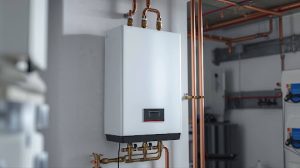
How Tankless Water Heaters Work

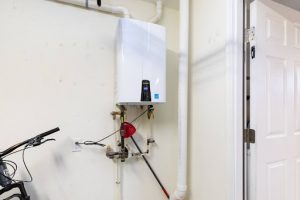
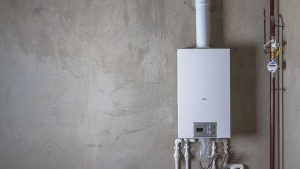
Rather than storing hot water, tankless systems heat water only when you need it.

When you turn on a hot water tap, cold water passes through a heat exchanger that rapidly warms it before delivering it directly to your fixtures.

Since there’s no storage tank, homeowners enjoy a nearly endless supply of hot water (as long as the system is properly sized for the household).

This on-demand operation is one of the biggest benefits of tankless water heater technology, but there are many other benefits as well. 

Benefits of Tankless Water Heaters

Many Mid-Atlantic homeowners are choosing tankless systems because they offer several attractive advantages.

Endless Hot Water

If your family often schedules back-to-back showers, runs the dishwasher while doing laundry, or frequently hosts guests, a properly sized tankless unit can keep hot water flowing without waiting for a storage tank to recover.

Improved Energy Efficiency

Since tankless systems only heat water when it’s needed, they eliminate the standby heat loss associated with storage tanks. That can translate into lower utility bills over time, particularly for households with moderate hot water usage.

Longer Equipment Life

While many traditional tank water heaters last around 8 to 12 years, tankless systems often provide 15 to 20 years (or even longer with proper care).

Compact Design

Without a large storage tank, tankless units mount neatly on a wall and require significantly less floor space, making them ideal for smaller utility rooms, finished basements, or mechanical closets.

Related: HVAC Innovations: What’s New and What’s Worth Installing?

Tankless Water Heater Maintenance

Like any appliance, tankless systems perform best with routine care. Regular tankless water heater maintenance helps prevent mineral buildup inside the heat exchanger, especially in areas with hard water, and keeps the system operating efficiently.

Annual flushing is often recommended, along with periodic inspections to ensure safe, reliable performance.

Traditional tanks also benefit from maintenance, including sediment flushing and anode rod inspections, but tankless units generally require more consistent preventive service to maintain peak efficiency.

Understanding Tankless Water Heater Cost

One of the biggest considerations for homeowners is the tankless water heater cost.

While prices vary depending on the home’s plumbing, gas or electrical service, as well as installation complexity, here are some general ranges:

Traditional Tank Water Heater

  • Equipment: approximately $700–$1,500
  • Installation: roughly $1,500–$3,000

Tankless Water Heater

  • Equipment: approximately $1,000–$2,500
  • Installation: roughly $2,500–$6,000 or more, depending on venting, gas line upgrades, electrical work, and installation requirements

Although tankless systems typically require a higher initial investment, many homeowners offset that cost through improved efficiency, longer equipment life, and lower operating expenses over time.

Tankless vs. Tank Water Heater: Which Is Best?

When comparing a tankless vs. tank water heater, there’s no universal winner. The right choice depends on how your household uses hot water.

A traditional tank may be the better option if you:

  • Want the lowest upfront investment
  • Already have a tank system in place
  • Have moderate daily hot water needs
  • Prefer a simpler replacement process

A tankless system may be the better fit if you:

  • Want maximum energy efficiency
  • Frequently run out of hot water
  • Have a larger family or higher daily demand
  • Plan to stay in your home for many years
  • Want to save space and enjoy a longer equipment lifespan

Ultimately, the tankless vs. tank water heater decision comes down to balancing installation costs with your long-term comfort and efficiency goals.

Related: Plumbing Resolutions: Water Saving Devices and Habits

Let Superior HVAC & Plumbing Help You Find the Right Solution

Choosing between a traditional storage tank and a tankless water heater doesn’t have to be overwhelming. Every home is different, and the best system depends on your household size, water usage habits, existing plumbing, and budget.

At Superior HVAC & Plumbing, we help homeowners throughout Maryland, Northern Virginia, and Washington, DC evaluate all their options with honest, expert guidance. 

Whether you’re interested in learning more about tankless water heater costs, exploring the benefits of tankless water heater technology, or deciding on what kind of water heater is best, our experienced team can recommend and install the solution that best fits your home. Contact Superior HVAC & Plumbing today to schedule a consultation and enjoy dependable hot water for years to come.

Life in the Mid-Atlantic has plenty to love, but August humidity isn’t usually high on the list. Whether you own a historic rowhome, a Colonial, a Cape Cod, or a newer home, condo, or townhome, keeping every room comfortable can be a challenge.

Many homes throughout Maryland, Northern Virginia, and the Washington, DC area were built long before central air conditioning became the norm. Others have been expanded over the years with finished basements, bonus rooms, garages, or sunrooms that never quite seem to cool down. If you’ve ever walked from one room that’s perfectly comfortable into another that’s five or ten degrees warmer, you’re not alone.

A ductless mini-split system offers an efficient, flexible way to solve those hot spots without the expense and disruption of installing new ductwork. In fact, today’s mini-splits rank among the most power efficient air conditioners available since they’re moving heat rather than generating it, making them an increasingly popular choice for homeowners throughout the region.

What Is a Ductless Mini-Split?

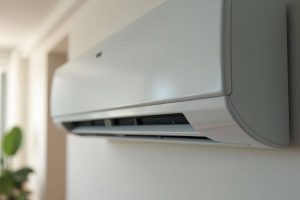
A ductless mini-split system provides heating and cooling without relying on traditional air ducts.

Instead, it uses two main components:

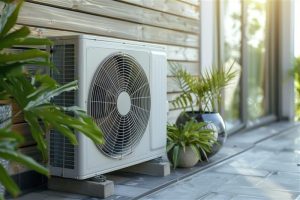
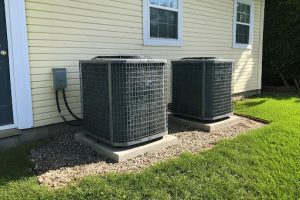
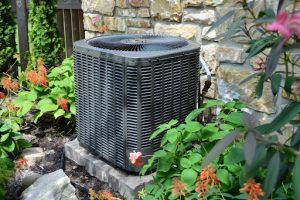
  • A compact outdoor compressor/condenser that’s close to the size of a box fan and smaller than a traditional ducted heat pump’s outdoor unit
  • One or more indoor air-handling units mounted on a wall, ceiling, or floor, each with its own thermostat for precise control

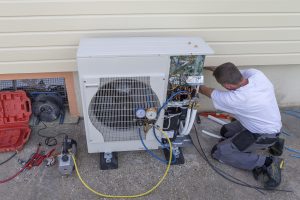
The two units are connected by a small conduit that carries refrigerant lines, electrical wiring, and a condensate drain. Since the connection only requires a small opening through an exterior wall, ductless mini-split installation is typically much faster and much less invasive than adding ductwork throughout a home.

Many mini-split systems also provide both heating and cooling, making them a practical year-round comfort solution for our region’s hot summers and chilly winters.

Why Mini-Splits Are a Great Fit for Mid-Atlantic Homes

Older homes throughout Maryland, Northern Virginia, and Washington, DC often present unique HVAC challenges.

You may have:

  • A historic home where adding ductwork would require major renovations
  • A finished attic that’s always too warm in the summer
  • A basement that stays damp and cool year-round
  • A home addition that’s never been connected to your existing HVAC system
  • A sunroom that’s comfortable in spring but unbearable in August
  • A detached space like a shed or studio that needs climate control

Mini-splits excel in these situations because they deliver conditioned air directly where it’s needed instead of relying on an existing duct system. They’re also an excellent option for homeowners who don’t want to tear into walls or ceilings just to improve comfort.

Related: HVAC Innovations: What’s New and What’s Worth Installing?

Zoned Comfort Means Everyone Wins

One of the biggest advantages of mini-splits is individualized temperature control. Each indoor unit operates independently, allowing different rooms to have different thermostat settings. Let’s say someone works from a home office all day while another family member prefers a cooler bedroom at night. Each space can be adjusted without affecting the rest of the house.

That’s especially valuable during the Mid-Atlantic’s long warm season, when your AC may be running from late spring well into early fall.

Instead of cooling your entire home to satisfy one uncomfortable room, you can cool only the spaces you’re actually using.

Exceptional Energy Efficiency

Mini-splits have earned a reputation as some of today’s most power efficient air conditioners for good reason. According to ENERGY STARⓇ, traditional central air systems can lose 20% to 30% of cooled air through leaky or poorly insulated ductwork. Ductless systems eliminate those losses by delivering cooled air directly into each room.

Many models also feature inverter technology, which continuously adjusts compressor speed instead of repeatedly turning on and off. This results in:

  • Lower energy consumption (15.2-35 SEER2 ratings vs. 15.2-25 with ducted heat pumps, according to the DOE)
  • More consistent indoor temperatures
  • Better humidity control
  • Quieter operation
  • Reduced wear on the system

Considering the extreme heat and humidity homeowners experience each summer, improved efficiency can translate into meaningful utility savings.

What to Expect During Mini-Split Installation

One reason homeowners choose mini-split installation is how little disruption it causes. Since they don’t involve opening walls or ceilings, mini-splits require only a small opening to connect the indoor and outdoor units. So depending on your home’s layout and the number of indoor units needed, many installations can be completed in just one or two days.

Professional ductless mini-split installation includes evaluating each room for proper unit placement, sizing the equipment correctly, and ensuring the outdoor unit has adequate airflow for reliable operation. A properly designed system will deliver consistent comfort while maximizing energy efficiency.

Understanding Mini-Split Installation Cost

Naturally, one of the first questions homeowners ask is about mini-split installation cost.

Several factors influence the total investment, including:

  • Number of indoor units
  • Home size and layout
  • Equipment efficiency
  • Electrical requirements
  • Installation complexity

The upfront cost is generally higher than installing a window AC or portable unit. However, mini-splits often provide greater comfort, quieter operation, lower monthly energy bills, and a cleaner appearance.

Depending on your home’s needs, they can also be a smart choice for replacing your home AC unit. A professional evaluation can help determine whether a mini-split, a central air replacement, or a hybrid approach makes the most sense for your home.

Related: Now’s the Time to Save on Heating

Is a Mini-Split Right for You?

If you’re tired of uneven temperatures, looking to improve comfort in a specific room, or considering replacing your home AC unit, a ductless mini-split may be the flexible solution you’ve been searching for.

The best option depends on your home’s construction, your family’s comfort preferences, and your long-term energy goals. Every home is different, which is why expert guidance is so valuable.

At Superior HVAC & Plumbing, we help homeowners throughout Maryland, Northern Virginia, and the Washington, DC region find the right comfort solution for their homes. Whether you’re exploring mini-split installation, comparing mini-split installation costs, or deciding between a ductless system and traditional central air, our experienced technicians can walk you through your options and recommend a solution that fits your home, your lifestyle, and your budget.

Reach out to Superior HVAC & Plumbing today to schedule a consultation. Discover how a ductless mini-split system can deliver personalized comfort, improved efficiency, and reliable performance through every Mid-Atlantic season.

July in the Mid-Atlantic region can be relentless. With temperatures regularly climbing into the upper 80s and 90s and humidity levels that make the air feel even hotter, many homeowners constantly adjust the thermostat in search of relief. But when it comes to setting your air conditioner, colder isn’t always better.

Continue reading “What Temperature Is Best for My AC in July?”

As Maryland area homeowners prepare for another hot and humid summer, staying comfortable indoors becomes a top priority. Rising temperatures also mean rising utility bills, especially for households relying on older cooling systems. If you are looking for a smarter, more energy-efficient way to cool your home this season, a heat pump may be the ideal solution.

Continue reading “Here Comes Summer! Stay Cool With a Heat Pump”

Plumbing issues have a way of showing up at the worst possible time. Whether it’s a clogged drain, a leaking pipe, or an unexpected overflow, being prepared can make all the difference. That’s why every homeowner should have a well-stocked emergency plumbing tool kit on hand.

Continue reading “The Emergency Plumbing Kit Every Homeowner Should Have”

If your home never seems quite comfortable, or your utility bills feel higher than they should, hidden drafts may be the culprit. Small air leaks can quietly undermine your heating and cooling system, forcing it to work harder and increasing your average energy bill month after month. The good news? With a few simple techniques (and help from the pros when needed), you can find and fix drafts before they drain your wallet.

Continue reading “How to Spot Hidden Drafts Driving Up Your Energy Bill”

Planning a winter getaway is exciting, whether you’re visiting family, escaping to a warmer climate, or enjoying a snowy retreat. Before you lock the door and head out, there’s one important question many homeowners ask every year (besides whether the oven is still on): Should I turn the heat off to save money?

Continue reading “Should You Leave the Heat on When You’re Away? Expert Advice for Winter Travel”

A fresh year brings fresh opportunities, and what better way to kick things off than with resolutions that benefit your home, your wallet, and the planet? This year, consider adding a few simple plumbing habits to your list. Small changes in the way you use water – and the fixtures that supply it – can lead to major savings over time. From installing water saving devices to adopting smarter daily routines, these efforts not only protect your pipes but also support a healthier environment.

Continue reading “Plumbing Resolutions for the New Year: Water Saving Devices and Habits”

The HVAC industry is evolving faster than ever, driven by major innovations in energy efficiency, sustainability, and smart technology. From wireless thermostats and heat pumps to new air conditioner refrigerants that minimize environmental impact, today’s systems are smarter, cleaner, and more cost-effective. If you’re looking to upgrade or install a new system, now’s the time to explore the latest HVAC innovations transforming how we heat, cool, and breathe indoors.

Continue reading “HVAC Innovations: What’s New and What’s Worth Installing?”

The holidays are all about warmth – family gatherings, festive meals, and yes, cozy homes where the heat runs smoothly. The last thing anyone wants during a big celebration is a chilly house or a system breakdown that sends guests reaching for their coats. That’s why now is the perfect time to prepare your HVAC system for the season ahead. With a little proactive care (like furnace inspection, vent clearing, and draft sealing), you can keep your home comfortable, efficient, and ready for everything from Thanksgiving turkey to New Year’s champagne.

Continue reading “Holiday-Ready HVAC: How to Prep Your System for Prime Time”

It’s the first truly chilly evening of the season. You nudge the thermostat up, wait for the familiar hum of your furnace, and – oh no! A strange smell starts drifting through the vents. If your HVAC smells musty, or slightly like burning, you’re not alone. Many homeowners notice odd furnace odors when they first fire up the heat for winter. Some smells are harmless and temporary; others are red flags that require immediate attention and a possible furnace repair.

Continue reading “Why Your HVAC Smells Musty (and What to Do)”

As summer winds down and that first cool breeze rustles through the leaves, you know fall is on the way. With shorter days and cooler temperatures, our thoughts turn to the unique beauty and flavor of this new season. Savvy homeowners know that now is also the perfect time to turn attention to something less exciting but absolutely essential: your heating system.

Continue reading “Now’s the Time to Save on Heating”

The grills are heating up, the citronella candles are lit, and the party invitations are flying out. From backyard BBQs and graduation parties to full-blown summer weddings under the stars, your home is about to see more action than it has all year. While you’re prepping your playlist and perfecting your potato salad, there’s one crucial detail you don’t want to overlook: your plumbing.

Continue reading “It’s Summer Party Season: Is Your Plumbing Ready?”

Nothing saps the joy from a summer day quite like realizing your air conditioning unit isn’t cooling properly. Whether your home feels more like a sauna than a sanctuary, or your AC seems to be blowing lukewarm air no matter how low you set the thermostat, there are a few usual suspects that could be to blame. Fortunately, most of them are fixable—and some can even be prevented with a little routine maintenance.

Continue reading “The Top 3 Reasons Your AC Isn’t Cooling Properly (and How to Fix Them)”

We all want to stay comfortable at home without spending a fortune on energy bills. But what about the times when you’re not home? Whether you’re away for the day or gone on vacation, keeping your HVAC system running at full blast is like throwing money (and energy) out the window. That’s where smart thermostats come in. They’re a game changer when it comes to saving both energy and cash.

Continue reading “Saving Energy When You’re Away: A Smart Thermostat Can Make a Big Difference”

Spring is here, and while it ushers in warmer weather and blooming flowers, it also brings heavy rains, melting snow, and an increased risk of crawl space and basement flooding. Homeowners dread the added moisture; they know just a few inches of water can cause thousands of dollars in home flood damage, leading to structural issues, ruined furniture and belongings, and even dangerous mold growth. If your basement is at risk, now is the time to consider a sump pump installation.

Continue reading “It’s the Season of Flooding – Do You Need a Sump Pump?”

Spring is here, and with it comes rising temperatures, increased humidity, and unpredictable weather. As we transition from the winter to the warmer months, it’s crucial to ensure that your HVAC cooling system is up to the task. Warmer, wetter springs mean your system will be working harder, and we’re getting more of those – so now is the time to inspect, maintain, and (if necessary) upgrade your equipment. Let’s walk through these steps:

Continue reading “Spring HVAC Updates: Prepare Your Equipment for Warmer Weather”

There’s nothing quite as unpleasant as walking into your home and being hit with a foul odor. Usually, if the stench is coming from your sink, bathtub, or shower drain, the culprit is a clog. The odor you’re smelling is likely the result of bacteria feasting on the debris trapped in your pipes. Here’s a guide to tackling the problem head-on – and knowing when it’s time to call in the professionals.

Continue reading “What’s That Smell? How to Handle a Clogged Drain”

Heat pumps have become a buzzword in the world of energy-efficient home heating and cooling systems, often hailed as a win-win for both homeowners and the planet. But are they truly the eco-friendly and cost-saving solutions they claim to be? Let’s explore how they significantly reduce energy costs while lowering environmental impact, thanks to their energy efficiency, reduced carbon footprint, and dual-functionality, as well as the financial incentives of choosing a heat pump, such as rebates and tax credits.

Continue reading “Are Heat Pumps Really a Win-Win for Both Energy Costs and the Environment?”

As temperatures drop, homeowners everywhere are cranking up their heating systems. But if you’re not keeping up with regular preventative maintenance for your HVAC systems, you could be setting yourself up for higher heating costs, unnecessary hassle, and unexpected repairs. This blog will explore which tasks are essential, as well as the benefits of regular care. By committing to routine home maintenance duties like air filter replacements, drain line inspections, and seasonal tune-ups, you’ll keep your system running efficiently, improve its longevity, and ensure that the air quality in your home stays top-notch.

Continue reading “How HVAC Preventative Maintenance Saves Heating Costs and Prevents Hassle”

As technology continues to transform our homes, smart HVAC systems are becoming a popular choice for homeowners looking for enhanced comfort, control, and energy savings. But with any new technology comes the question: is it worth the investment? It’s important to understand what smart HVAC systems offer, how they can save energy, and help you decide if it’s the right choice for your home.

Continue reading “Smart HVAC Systems: Are They Worth the Investment?”

Your HVAC system is one of the most critical components of your home, responsible for keeping your living spaces comfortable year-round. But like any major appliance, it won’t last forever. If you’re noticing any of the following signs, it may be time to consider an HVAC replacement. Upgrading to a more energy-efficient HVAC system can help you save on utility bills, reduce costly repairs, and improve the overall comfort of your home. 

Continue reading “6 Signs It’s Time to Upgrade Your HVAC System”

Water is one of our planet’s most precious resources, yet it’s often taken for granted in our daily lives. As environmental concerns rise, homeowners are becoming more aware of the need to adopt eco-friendly practices, especially when it comes to their plumbing systems. With water conservation at the forefront of sustainable living, it’s time to consider how small changes in your plumbing habits and fixtures can make a big impact. Let’s explore some practical tips for reducing water usage, and how Superior HVAC & Plumbing is here to help you create a more eco-friendly home.

Continue reading “Eco-Friendly Plumbing: Water Conservation Tips for Every Home”

As a homeowner, you’ve invested in your HVAC system to keep your property as comfortable as possible. However, as technology and HVAC industry trends continue to develop and evolve, the ways you cool and heat your home may change and evolve, too. Here are the top five HVAC industry trends for 2024 and how they may affect you and your home. 

Continue reading “HVAC Industry Trends for 2024 and How They Can Affect You”

Are you trying to figure out how to lower your utility bills and ensure your home has an energy efficient HVAC system? Superior HVAC and Plumbing is here to help with HVAC zoning. These specialized systems help to keep your utility bills in check while still keeping you comfortable in your home no matter the season. 

Continue reading “Save Money with HVAC Zoning in Your Home”

Whether you’re planning for your own senior living experience or prepping for a senior family member to move in with you, it’s critical to make the proper accommodations in the bathroom of your home. You may not need a major bathroom renovation to properly accommodate a senior, but making a few changes can ensure safety and comfort for years to come. Here are some of the plumbing solutions you might consider when preparing your home for this stage of life. 
Continue reading “Should You Consider a Bathroom Renovation for Senior Living?”

If you’ve ever experienced clogged drains as a homeowner, you know how disruptive they can be to your everyday routine. Further, if not addressed, clogged drains can cause major issues that are expensive and time-consuming to repair. That’s where Superior HVAC & Plumbing comes in – not only can we give you tips on how to avoid clogged drains and the negative effects they bring with them, but we can also schedule routine inspections and drain cleaning services to ensure your drains stay clog-free all year round. 

Continue reading “Preventing Clogged Drains and Water Damage: What You Should Know”

As homeowners, we probably don’t give our HVAC systems enough credit. Not only do they ensure our homes stay warm and cool enough as the seasons pass, but they also help to keep the circulated air clean and keep humidity out of the house. They’re pretty complex, and it can be overwhelming to try and understand all of the components and how they work. Superior HVAC & Plumbing is here to help! Explore this HVAC guide to get a better understanding of how your HVAC system keeps your house comfortable. 

Continue reading “Understanding Your HVAC System: A Guide for Homeowners”

Most people think that while the air outside of their homes is full of pollutants and contaminants, the air inside their homes must be pristine. Unfortunately, this isn’t the case – the air inside of your home can be just as bad if not worse than the air outside. Luckily, there are lots of ways to improve indoor air quality in your living space and we’re here to discuss one of the easiest – installing an air filtration system. 

Continue reading “How to Improve Indoor Air Quality With An Air Filtration System”

It may not seem like it now, but spring will be here in just a few short months and before you know it you’ll be cranking your air conditioner back on to cool the house. However, after months without use your A/C could develop an unpleasant musty smell that will permeate your house when you turn it on. So what can you do to get rid of it? 

Continue reading “What To Do If Your Air Conditioning Smells Musty”

Your home may be anything but comfortable after winter weather. This weather can also drive up energy costs in a big way. That’s where a smart thermostat comes in – these tech-driven thermostats help to regulate your home’s temperature and keep you cozy while also helping to curb energy costs during the winter season. 

Continue reading “How Can a Smart Thermostat Save You Money on Energy Costs This Winter?”

The winter months are here, and they can take a toll on your home. Not only that, your energy costs will undoubtedly go up as you try to keep your house warm against the frigid air trying to make its way inside. One way to lower energy costs and ensure instant hot showers all winter long is a tankless water heater. 

Continue reading “Why You Should Upgrade to a Tankless Water Heater for Winter”

Winter is coming, and it’s only a matter of time before temperatures drop and things get a little frosty. And you’ve got more to worry about than just the temperatures outside – how will you efficiently keep the interior of your home warm when the weather outside is anything but? Superior HVAC is here with ways to heat your home and keep it warm in the winter (without blowing your budget).

Continue reading “Tips for Keeping Your Home Heated”

The holidays are quickly approaching, which means it’s prime time for a road trip. Preparing to hit the highway means packing and laundry, taking time off work, and prepping your vehicle for the journey, but have you taken the time to prep your house for your absence this holiday season? 

Continue reading “8 Ways to Prevent a Plumbing Emergency During Your Holiday Vacation”

Did you know that your home’s water heater is one of the biggest energy consumers when it comes to appliances? However, it’s an important part of your home’s plumbing system. Your water heater ensures that you have hot water for showers, washing dishes, washing clothes, and more. It’s definitely not something you can live without, but there is a way to dial back on its expense – adjusting the temperature. 

Continue reading “Should I Adjust My Water Heater’s Temperature?”

Winter is coming – or at least, eventually. With summer winding to a close in the next few months and cooler weather on its heels, it’s time to start thinking about how you’re going to prepare and upgrade your HVAC system for the winter months. After all, the last thing you want to end up with is a broken HVAC system when you need it the most. Here’s how you should prepare your home’s HVAC system for winter weather. 

Continue reading “HVAC Repairs and Upgrades to Consider Before Winter Hits”

When you have a plumbing issue, it can be tempting to hop on Google and try to fix the problem yourself. We understand – sometimes it can seem more efficient and affordable to take a DIY approach to common plumbing issues. However, if you’re not well-versed in plumbing and its logistics, you can actually make a simple problem much worse (and more expensive than it needs to be). That’s why we recommend scheduling plumbing inspections to keep your plumbing system in the best shape possible when problems arise. 

Continue reading “Why Your Plumbing Technician Needs to Visit to Assess the Problem”

Are you thinking about taking the plunge and choosing a career in one of the trade professions? Smart move – trade professions offer rewarding careers that span a wide range of opportunities, tracks, and advancement. However, before you choose your trade career path, you have to do your research. Which of the many trade professions available is going to be best suited to both your skills and your goals? Check out this quick guide – it’ll help you wade through the many different trade profession options out there and choose the one that’s going to guarantee your long-term success and fulfillment. 

Continue reading “Trade Professions: Which One is Right for You?”

When was the last time you thought about the quality of your indoor air? You’ve probably worried about the temperature in your house, and you’ve likely taken note of the humidity levels as well. While the average person considers outdoor air quality pretty often, people don’t think about their home’s indoor air quality that much – even though they should.

Continue reading “5 Ways to Improve Your Home’s Indoor Air Quality”

Summer is coming whether you’re ready for it or not, and that means your AC unit needs to be ready for it, too. Don’t get stuck in a heatwave with no way to cool down – prep NOW for summer with this helpful checklist of AC maintenance services. 

Continue reading “Is Your AC Ready for Summer?”

A flooded home is a homeowner’s true nightmare – water damage can take a huge amount of time and money to fix and, in some cases, can even be irreparable. That’s where your sump pump comes in. This integral device helps to ensure that your home doesn’t flood, which is why it’s essential to both maintain and troubleshoot it. 

Continue reading “8 Signs Your Sump Pump Is on the Fritz”

Spring Blossoms, spring showers, and spring cleaning. As we say goodbye to winter and welcome the warmer months, it’s time to pull out that spring to-do list and start checking things off. So what’s at the top of the list? Scheduling your spring HVAC checkup. If everything is working fine with your HVAC system, you may not think you need an inspection, but having two HVAC inspections per year for preventative maintenance can save you from expensive repairs and stress. 

Continue reading “Schedule Your Spring HVAC Checkup”

Regular Cleaning and Maintenance are essential to extending the longevity and efficiency of many of the appliances in your home. Your tankless water heater needs to be flushed at least once per year to keep it running efficiently.  It can be tempting to ignore this task in favor of other home maintenance, but you shouldn’t skip it. If you do not flush your tankless water heater annually it can build up mineral deposits. Over time this can cause expensive damage and potential safety hazards in your home.
Continue reading “Is It Time To Flush Your Tankless Water Heater?”

Heat pumps have come a long way over the past 15 years. During the winter months, a heat pump may require additional help to maintain the desired temperature in your home. One way a heat pump achieves this is with an electric heat pack inside the air handler. When the temperature outside your house drops, your heat pump will bring on your electric heat to assist in heating your home. When this occurs you will see a red light or AUX on your thermostat, showing you that the heat pump is working.  
Continue reading “Emergency Heating”

Thanksgiving wouldn’t be the same without the food. From turkey to stuffing to pumpkin pie, the food on Thanksgiving is a staple of the holiday. Are you in charge of kitchen duty this Turkey Day? Are you cleaning up after the feast? 

Continue reading “Holiday Meals & Your Garbage Disposal”

Your phone is smart. Your car is smart. Even your refrigerator may be smart enough to tell you when you’re running low on milk. So, what about the equipment responsible for keeping your home comfortable?

Smart HVAC technology has come a long way from the first programmable thermostats. Today, connected HVAC equipment can learn household patterns, respond to changing conditions, provide remote access, alert you to potential problems, and integrate with other smart devices throughout your home.

For homeowners throughout the Mid-Atlantic—where temperatures can swing from freezing winters to hot, humid summers—those capabilities can translate into greater comfort, improved efficiency, and more control.

Here’s what’s new in smart HVAC systems and which upgrades may be worth considering for your home.

Related: HVAC Innovations: What’s New and What’s Worth Installing?

1. Smart Thermostats Are Getting Smarter

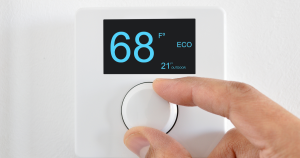
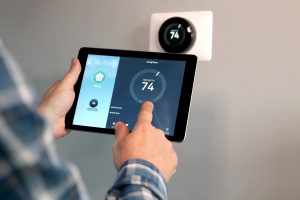
A smart thermostat is still one of the easiest ways to bring more intelligence to an existing HVAC system.

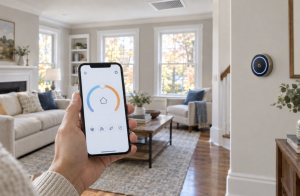
Many of today’s models go well beyond allowing you to change the temperature from your phone. Depending on the model and HVAC equipment, features may include occupancy sensing, learning your household’s schedule, energy-use reporting, humidity monitoring, and automatic adjustments designed to reduce unnecessary heating and cooling.

Some newer models also use algorithms or AI-enabled features to analyze patterns and make more sophisticated adjustments over time.

Professional smart thermostat installation is particularly important if you have a heat pump, multi-stage equipment, dual-fuel system, or other advanced HVAC setup. Not every thermostat is compatible with every system, and proper installation helps ensure you get the functionality you’re paying for.

For many homeowners, smart thermostat installation is a relatively affordable place to start compared with replacing major HVAC equipment.

Related: Saving Energy When You’re Away: A Smart Thermostat Can Make a Big Difference

2. Your HVAC System Can Keep an Eye on Itself

Imagine knowing your air conditioner is beginning to have trouble before it stops working on a 95-degree afternoon.

Remote system monitoring is making that increasingly possible by letting you know what your system is doing right now.

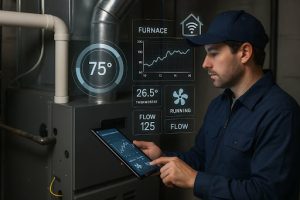
Depending on the equipment, connected smart HVAC systems can monitor operating conditions and provide information about system performance. Some can alert homeowners—or potentially their HVAC professionals—to conditions that may warrant attention.

That might include abnormal operating patterns, temperature problems, filter reminders, or other system-specific alerts.

The benefit isn’t just convenience. Catching certain issues earlier may allow you to address a smaller problem before it contributes to a breakdown or puts additional stress on other components, which leads to the invaluable step of predictive maintenance.

3. Predictive Maintenance Is the Next Step

Traditional HVAC maintenance is generally preventive: you service equipment regularly to help reduce the likelihood of future problems.

Predictive maintenance adds another layer. Advanced connected equipment can use operating data and sensors to identify changes or patterns that may indicate developing problems. Instead of simply waiting for something to fail, homeowners and technicians can potentially use that information to determine when a system needs attention.

It’s important to distinguish predictive alerts from a professional diagnosis. Your HVAC equipment isn’t replacing your technician. Rather, connected technology can provide additional information that may help a trained professional diagnose problems more efficiently.

For homeowners investing in higher-end smart HVAC systems, these monitoring capabilities are worth asking about.

4. Smart HVAC Vents Offer More Room-by-Room Control

Have one bedroom that’s always too warm while another is freezing? Uneven temperatures are common, particularly in older Mid-Atlantic homes, additions, and multistory houses.

Smart HVAC vents are designed to help manage airflow room by room. Some systems use motorized registers along with room sensors to adjust airflow based on temperature, occupancy, or other conditions.

However, smart HVAC vents aren’t right for every home. Closing too many vents can affect airflow and static pressure in a ducted HVAC system, potentially reducing performance or creating equipment problems. That’s why it’s wise to have a qualified HVAC professional evaluate your ductwork and equipment before installing automated vents throughout your home.

Sometimes the better solution may be duct modifications, system balancing, zoning, or a ductless mini-split.

5. HVAC Is Becoming Part of the Connected Home

One of the biggest changes in smart HVAC isn’t a single piece of equipment; it’s connectivity.

HVAC technology can increasingly integrate with broader smart home installation systems. Depending on the devices and platforms you select, thermostats, indoor air quality monitors, humidifiers, dehumidifiers, lighting, shades, security devices, and voice assistants may be able to work together.

For example, a compatible home automation system might recognize that you’ve left for work and adjust the thermostat accordingly. When you’re heading home, it can begin returning the house to your preferred temperature.

If you’re planning a larger smart home installation, thinking about HVAC from the beginning can help you build a more cohesive system rather than accumulating individual devices that don’t communicate well with one another.

Which Smart HVAC Upgrades Are Worth It?

You don’t necessarily need the latest technology everywhere. The right investment depends on your home, existing equipment, budget, and what you’re trying to accomplish.

If you primarily want greater control and potential energy savings, smart thermostat installation may be the logical first step.

If you struggle with significant room-to-room temperature differences, professionally designed zoning or smart HVAC vents may be worth exploring.

If you’re already replacing an aging furnace, heat pump, or air conditioner, it may make sense to compare smart HVAC systems that include connected controls, monitoring, and advanced variable-speed capabilities.

And if you’re renovating or planning a broader smart home installation, that’s an ideal opportunity to consider how heating, cooling, ventilation, indoor air quality, lighting, and other systems can work together.

Make Your Home Smarter—Not More Complicated

The best smart technology should make home comfort simpler. You shouldn’t need five apps, three control panels, and an engineering degree just to cool down the bedroom.

That’s where choosing the right equipment and installing it correctly makes a difference.

Superior HVAC can help Mid-Atlantic homeowners evaluate smart thermostats, connected HVAC equipment, zoning solutions, and other comfort technologies based on their existing systems, homes, and budgets. 

From smart thermostat installation to more comprehensive smart HVAC upgrades, our team can help you select and professionally install technology that delivers useful features without paying for ones you don’t need.

Thinking about making your HVAC system smarter? Contact Superior HVAC & Plumbing to explore the options that can help make your home more comfortable, efficient, and connected.