Your phone is smart. Your car is smart. Even your refrigerator may be smart enough to tell you when you’re running low on milk. So, what about the equipment responsible for keeping your home comfortable?

Smart HVAC technology has come a long way from the first programmable thermostats. Today, connected HVAC equipment can learn household patterns, respond to changing conditions, provide remote access, alert you to potential problems, and integrate with other smart devices throughout your home.

For homeowners throughout the Mid-Atlantic—where temperatures can swing from freezing winters to hot, humid summers—those capabilities can translate into greater comfort, improved efficiency, and more control.

Here’s what’s new in smart HVAC systems and which upgrades may be worth considering for your home.

Related: HVAC Innovations: What’s New and What’s Worth Installing?

1. Smart Thermostats Are Getting Smarter

A smart thermostat is still one of the easiest ways to bring more intelligence to an existing HVAC system.

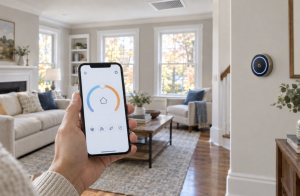
Many of today’s models go well beyond allowing you to change the temperature from your phone. Depending on the model and HVAC equipment, features may include occupancy sensing, learning your household’s schedule, energy-use reporting, humidity monitoring, and automatic adjustments designed to reduce unnecessary heating and cooling.

Some newer models also use algorithms or AI-enabled features to analyze patterns and make more sophisticated adjustments over time.

Professional smart thermostat installation is particularly important if you have a heat pump, multi-stage equipment, dual-fuel system, or other advanced HVAC setup. Not every thermostat is compatible with every system, and proper installation helps ensure you get the functionality you’re paying for.

For many homeowners, smart thermostat installation is a relatively affordable place to start compared with replacing major HVAC equipment.

Related: Saving Energy When You’re Away: A Smart Thermostat Can Make a Big Difference

2. Your HVAC System Can Keep an Eye on Itself

Imagine knowing your air conditioner is beginning to have trouble before it stops working on a 95-degree afternoon.

Remote system monitoring is making that increasingly possible by letting you know what your system is doing right now.

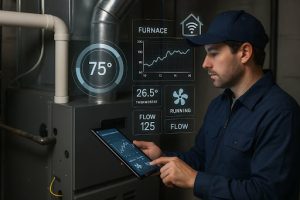
Depending on the equipment, connected smart HVAC systems can monitor operating conditions and provide information about system performance. Some can alert homeowners—or potentially their HVAC professionals—to conditions that may warrant attention.

That might include abnormal operating patterns, temperature problems, filter reminders, or other system-specific alerts.

The benefit isn’t just convenience. Catching certain issues earlier may allow you to address a smaller problem before it contributes to a breakdown or puts additional stress on other components, which leads to the invaluable step of predictive maintenance.

3. Predictive Maintenance Is the Next Step

Traditional HVAC maintenance is generally preventive: you service equipment regularly to help reduce the likelihood of future problems.

Predictive maintenance adds another layer. Advanced connected equipment can use operating data and sensors to identify changes or patterns that may indicate developing problems. Instead of simply waiting for something to fail, homeowners and technicians can potentially use that information to determine when a system needs attention.

It’s important to distinguish predictive alerts from a professional diagnosis. Your HVAC equipment isn’t replacing your technician. Rather, connected technology can provide additional information that may help a trained professional diagnose problems more efficiently.

For homeowners investing in higher-end smart HVAC systems, these monitoring capabilities are worth asking about.

4. Smart HVAC Vents Offer More Room-by-Room Control

Have one bedroom that’s always too warm while another is freezing? Uneven temperatures are common, particularly in older Mid-Atlantic homes, additions, and multistory houses.

Smart HVAC vents are designed to help manage airflow room by room. Some systems use motorized registers along with room sensors to adjust airflow based on temperature, occupancy, or other conditions.

However, smart HVAC vents aren’t right for every home. Closing too many vents can affect airflow and static pressure in a ducted HVAC system, potentially reducing performance or creating equipment problems. That’s why it’s wise to have a qualified HVAC professional evaluate your ductwork and equipment before installing automated vents throughout your home.

Sometimes the better solution may be duct modifications, system balancing, zoning, or a ductless mini-split.

5. HVAC Is Becoming Part of the Connected Home

One of the biggest changes in smart HVAC isn’t a single piece of equipment; it’s connectivity.

HVAC technology can increasingly integrate with broader smart home installation systems. Depending on the devices and platforms you select, thermostats, indoor air quality monitors, humidifiers, dehumidifiers, lighting, shades, security devices, and voice assistants may be able to work together.

For example, a compatible home automation system might recognize that you’ve left for work and adjust the thermostat accordingly. When you’re heading home, it can begin returning the house to your preferred temperature.

If you’re planning a larger smart home installation, thinking about HVAC from the beginning can help you build a more cohesive system rather than accumulating individual devices that don’t communicate well with one another.

Which Smart HVAC Upgrades Are Worth It?

You don’t necessarily need the latest technology everywhere. The right investment depends on your home, existing equipment, budget, and what you’re trying to accomplish.

If you primarily want greater control and potential energy savings, smart thermostat installation may be the logical first step.

If you struggle with significant room-to-room temperature differences, professionally designed zoning or smart HVAC vents may be worth exploring.

If you’re already replacing an aging furnace, heat pump, or air conditioner, it may make sense to compare smart HVAC systems that include connected controls, monitoring, and advanced variable-speed capabilities.

And if you’re renovating or planning a broader smart home installation, that’s an ideal opportunity to consider how heating, cooling, ventilation, indoor air quality, lighting, and other systems can work together.

Make Your Home Smarter—Not More Complicated

The best smart technology should make home comfort simpler. You shouldn’t need five apps, three control panels, and an engineering degree just to cool down the bedroom.

That’s where choosing the right equipment and installing it correctly makes a difference.

Superior HVAC can help Mid-Atlantic homeowners evaluate smart thermostats, connected HVAC equipment, zoning solutions, and other comfort technologies based on their existing systems, homes, and budgets. 

From smart thermostat installation to more comprehensive smart HVAC upgrades, our team can help you select and professionally install technology that delivers useful features without paying for ones you don’t need.

Thinking about making your HVAC system smarter? Contact Superior HVAC & Plumbing to explore the options that can help make your home more comfortable, efficient, and connected.
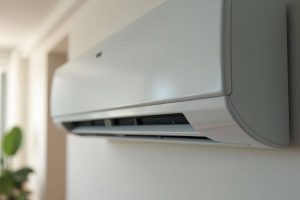

Life in the Mid-Atlantic has plenty to love, but August humidity isn’t usually high on the list. Whether you own a historic rowhome, a Colonial, a Cape Cod, or a newer home, condo, or townhome, keeping every room comfortable can be a challenge.

Many homes throughout Maryland, Northern Virginia, and the Washington, DC area were built long before central air conditioning became the norm. Others have been expanded over the years with finished basements, bonus rooms, garages, or sunrooms that never quite seem to cool down. If you’ve ever walked from one room that’s perfectly comfortable into another that’s five or ten degrees warmer, you’re not alone.

A ductless mini-split system offers an efficient, flexible way to solve those hot spots without the expense and disruption of installing new ductwork. In fact, today’s mini-splits rank among the most power efficient air conditioners available since they’re moving heat rather than generating it, making them an increasingly popular choice for homeowners throughout the region.

What Is a Ductless Mini-Split?

A ductless mini-split system provides heating and cooling without relying on traditional air ducts.

Instead, it uses two main components:

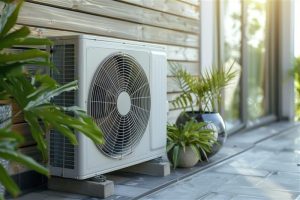
  • A compact outdoor compressor/condenser that’s close to the size of a box fan and smaller than a traditional ducted heat pump’s outdoor unit
  • One or more indoor air-handling units mounted on a wall, ceiling, or floor, each with its own thermostat for precise control

The two units are connected by a small conduit that carries refrigerant lines, electrical wiring, and a condensate drain. Since the connection only requires a small opening through an exterior wall, ductless mini-split installation is typically much faster and much less invasive than adding ductwork throughout a home.

Many mini-split systems also provide both heating and cooling, making them a practical year-round comfort solution for our region’s hot summers and chilly winters.

Why Mini-Splits Are a Great Fit for Mid-Atlantic Homes

Older homes throughout Maryland, Northern Virginia, and Washington, DC often present unique HVAC challenges.

You may have:

  • A historic home where adding ductwork would require major renovations
  • A finished attic that’s always too warm in the summer
  • A basement that stays damp and cool year-round
  • A home addition that’s never been connected to your existing HVAC system
  • A sunroom that’s comfortable in spring but unbearable in August
  • A detached space like a shed or studio that needs climate control

Mini-splits excel in these situations because they deliver conditioned air directly where it’s needed instead of relying on an existing duct system. They’re also an excellent option for homeowners who don’t want to tear into walls or ceilings just to improve comfort.

Related: HVAC Innovations: What’s New and What’s Worth Installing?

Zoned Comfort Means Everyone Wins

One of the biggest advantages of mini-splits is individualized temperature control. Each indoor unit operates independently, allowing different rooms to have different thermostat settings. Let’s say someone works from a home office all day while another family member prefers a cooler bedroom at night. Each space can be adjusted without affecting the rest of the house.

That’s especially valuable during the Mid-Atlantic’s long warm season, when your AC may be running from late spring well into early fall.

Instead of cooling your entire home to satisfy one uncomfortable room, you can cool only the spaces you’re actually using.

Exceptional Energy Efficiency

Mini-splits have earned a reputation as some of today’s most power efficient air conditioners for good reason. According to ENERGY STARⓇ, traditional central air systems can lose 20% to 30% of cooled air through leaky or poorly insulated ductwork. Ductless systems eliminate those losses by delivering cooled air directly into each room.

Many models also feature inverter technology, which continuously adjusts compressor speed instead of repeatedly turning on and off. This results in:

  • Lower energy consumption (15.2-35 SEER2 ratings vs. 15.2-25 with ducted heat pumps, according to the DOE)
  • More consistent indoor temperatures
  • Better humidity control
  • Quieter operation
  • Reduced wear on the system

Considering the extreme heat and humidity homeowners experience each summer, improved efficiency can translate into meaningful utility savings.

What to Expect During Mini-Split Installation

One reason homeowners choose mini-split installation is how little disruption it causes. Since they don’t involve opening walls or ceilings, mini-splits require only a small opening to connect the indoor and outdoor units. So depending on your home’s layout and the number of indoor units needed, many installations can be completed in just one or two days.

Professional ductless mini-split installation includes evaluating each room for proper unit placement, sizing the equipment correctly, and ensuring the outdoor unit has adequate airflow for reliable operation. A properly designed system will deliver consistent comfort while maximizing energy efficiency.

Understanding Mini-Split Installation Cost

Naturally, one of the first questions homeowners ask is about mini-split installation cost.

Several factors influence the total investment, including:

  • Number of indoor units
  • Home size and layout
  • Equipment efficiency
  • Electrical requirements
  • Installation complexity

The upfront cost is generally higher than installing a window AC or portable unit. However, mini-splits often provide greater comfort, quieter operation, lower monthly energy bills, and a cleaner appearance.

Depending on your home’s needs, they can also be a smart choice for replacing your home AC unit. A professional evaluation can help determine whether a mini-split, a central air replacement, or a hybrid approach makes the most sense for your home.

Related: Now’s the Time to Save on Heating

Is a Mini-Split Right for You?

If you’re tired of uneven temperatures, looking to improve comfort in a specific room, or considering replacing your home AC unit, a ductless mini-split may be the flexible solution you’ve been searching for.

The best option depends on your home’s construction, your family’s comfort preferences, and your long-term energy goals. Every home is different, which is why expert guidance is so valuable.

At Superior HVAC & Plumbing, we help homeowners throughout Maryland, Northern Virginia, and the Washington, DC region find the right comfort solution for their homes. Whether you’re exploring mini-split installation, comparing mini-split installation costs, or deciding between a ductless system and traditional central air, our experienced technicians can walk you through your options and recommend a solution that fits your home, your lifestyle, and your budget.

Reach out to Superior HVAC & Plumbing today to schedule a consultation. Discover how a ductless mini-split system can deliver personalized comfort, improved efficiency, and reliable performance through every Mid-Atlantic season.

July in the Mid-Atlantic region can be relentless. With temperatures regularly climbing into the upper 80s and 90s and humidity levels that make the air feel even hotter, many homeowners constantly adjust the thermostat in search of relief. But when it comes to setting your air conditioner, colder isn’t always better.

Continue reading “What Temperature Is Best for My AC in July?”

As Maryland area homeowners prepare for another hot and humid summer, staying comfortable indoors becomes a top priority. Rising temperatures also mean rising utility bills, especially for households relying on older cooling systems. If you are looking for a smarter, more energy-efficient way to cool your home this season, a heat pump may be the ideal solution.

Continue reading “Here Comes Summer! Stay Cool With a Heat Pump”

Planning a winter getaway is exciting, whether you’re visiting family, escaping to a warmer climate, or enjoying a snowy retreat. Before you lock the door and head out, there’s one important question many homeowners ask every year (besides whether the oven is still on): Should I turn the heat off to save money?

Continue reading “Should You Leave the Heat on When You’re Away? Expert Advice for Winter Travel”

The HVAC industry is evolving faster than ever, driven by major innovations in energy efficiency, sustainability, and smart technology. From wireless thermostats and heat pumps to new air conditioner refrigerants that minimize environmental impact, today’s systems are smarter, cleaner, and more cost-effective. If you’re looking to upgrade or install a new system, now’s the time to explore the latest HVAC innovations transforming how we heat, cool, and breathe indoors.

Continue reading “HVAC Innovations: What’s New and What’s Worth Installing?”