Summary: Hidden drafts around windows, doors, and other entry points can force your HVAC system to work harder, increasing energy bills and reducing indoor comfort. Homeowners can start by visually inspecting for cracks, using smoke or flashlight tests to identify leaks, and sealing gaps with affordable materials like weatherstripping or caulk. Addressing these problems can lower utility costs and extend the HVAC system’s lifespan.
If your home never seems quite comfortable, or your utility bills feel higher than they should, hidden drafts may be the culprit. Small air leaks can quietly undermine your heating and cooling system, forcing it to work harder and increasing your average energy bill month after month. The good news? With a few simple techniques (and help from the pros when needed), you can find and fix drafts before they drain your wallet.
Below is a practical, step-by-step guide to spotting hidden drafts, understanding their impact on average energy usage, and knowing when to call in experts like Superior HVAC & Plumbing to make sure not a dollar is wasted.
Why Drafts Matter More Than You Think
Drafts allow conditioned air to escape and outdoor air to creep in. In winter, that means warm air slips out; in summer, hot air sneaks in. Either way, your HVAC system compensates by running longer, which increases your energy use and the wear on your equipment. Even minor leaks around windows, doors, and outlets can add up, especially in older homes or those without a recent review focused on energy efficiency.
Related: Saving Energy While You’re Away: A Smart Thermostat Can Make a Big Difference
Start With a Visual Inspection
The simplest way to spot drafts is with your eyes. Walk through your home and look for obvious gaps, cracks, or worn materials. Pay close attention to:
- Window frames and door jambs.
- Weatherstripping that’s cracked, compressed, or missing.
- Baseboards and trim where walls meet floors.
- Attic hatches and basement doors.
- Electrical outlets and switch plates on exterior walls.
This quick sweep is a great first step and should be part of any homeowner’s regular home inspection checklist. If you see daylight where there shouldn’t be any, or feel a temperature difference near a surface, you’ve likely found a leak.
Perform a Smoke Test
For drafts that aren’t visible, a smoke test can reveal subtle air movement. Light an incense stick and slowly move it around common problem areas like windows, doors, vents, and outlets. Watch the smoke carefully:
- If it drifts sideways or gets pulled toward a surface, air is moving – and that’s a draft.
- If it rises straight up, that area is likely sealed well.
Smoke tests are inexpensive, safe when done carefully, and surprisingly effective at pinpointing leaks you might otherwise miss.
The flashlight test works best with a partner and low lighting. One person stands outside at night shining a flashlight around window and door frames, while the other stays inside watching for light coming through. Wherever light passes through, air likely does too. This test is especially useful for older windows or doors that no longer seal tightly.
If leaks are concentrated around windows, it may be time to consider upgrades. Investing in the most energy-efficient windows can significantly reduce drafts, improve comfort, and lower long-term energy costs.
Use Thermal Imaging for Deeper Detection
Some drafts hide in places you can’t easily see or access – inside walls, above ceilings, or around ductwork. That’s where thermal imaging comes in. A thermal imaging camera detects temperature differences, revealing cold or hot spots that indicate air leakage.
While homeowners can purchase or rent basic thermal cameras, professionals have advanced tools and the experience to interpret results accurately. This method is particularly helpful for diagnosing widespread issues affecting average energy usage across the entire home.
Consider a Professional Energy Audit
If you suspect multiple leaks or want a comprehensive solution, a professional energy audit is the most thorough option. An audit evaluates utility bills, insulation, air sealing, HVAC performance, and overall efficiency. It often includes blower door testing and thermal imaging to measure exactly how much air your home is losing.
Many homeowners wonder about an energy audit cost, but the investment can pay off quickly. Identifying and fixing inefficiencies can lead to noticeable reductions in monthly bills, and some upgrades may qualify for rebates or incentives.
Seal the Savings
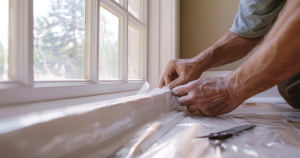
Once drafts are identified, sealing them can be straightforward. Weatherstripping, caulking, foam sealant, outlet gaskets, and door sweeps are inexpensive fixes that deliver immediate benefits. Larger improvements, like window replacements or insulation upgrades, cost more upfront but often provide the biggest long-term savings.
Related: The Top 3 Reasons Your AC Isn’t Cooling Properly (and How to Fix Them)
Get Expert Help from Superior HVAC & Plumbing
Draft detection is the first step; fixing the problem correctly is what delivers real results. Superior HVAC & Plumbing can help assess your home and recommend HVAC solutions tailored to your space and budget. From targeted fixes to new installations, our team ensures your system works efficiently. Reach out to learn how we can help you stay cozy and save on costs.
Hidden drafts may be out of sight, but they shouldn’t be out of mind. With a careful inspection, a few simple tests, and professional support when needed, you can take control of your home’s comfort, reduce energy waste, and keep your energy dollars exactly where they belong: Inside your home.