
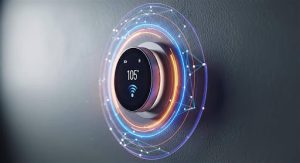
Summary: Before heading out for winter vacation, make sure your home is protected. Turning off your heat may seem like a way to save money, but it can lead to frozen pipes and costly damage. Learn why lowering your thermostat without turning off the heat – and possibly installing a smart thermostat – is the safer, smarter choice to keep your home safe and energy-efficient while you’re away for winter travel.
Planning a winter getaway is exciting, whether you’re visiting family, escaping to a warmer climate, or enjoying a snowy retreat. Before you lock the door and head out, there’s one important question many homeowners ask every year (besides whether the oven is still on): Should I turn the heat off to save money?
It might seem like a smart move, but HVAC experts strongly advise against it. Turning your heat completely off during winter travel can put your home at serious risk and may end up costing far more than you save. Here’s what you need to know to protect your home, your pipes, and your budget while you’re gone.
Why Turning the Heat Off During Winter Travel Can Be Risky
The biggest concern with shutting off your heat in winter is the risk of a pipe burst. When indoor temperatures drop below freezing, the water inside your pipes can freeze and expand, causing pipes to crack or burst. When that ice eventually thaws, the result can be thousands of dollars in water damage – often discovered only after you return home.
Basements, crawl spaces, and exterior walls are especially vulnerable, even if the rest of the house seems well-insulated. One cold night can be all it takes to turn a money-saving idea into a major repair project.
Considering the potential damage, the modest energy savings from turning your heat off simply don’t outweigh the risk.
The Safer Alternative: Lower, Don’t Shut Off
Instead of turning your system off entirely, experts recommend lowering your thermostat to a safe, consistent temperature. Most professionals suggest setting it between 55 and 60 degrees Fahrenheit. This keeps enough heat circulating to protect your plumbing without wasting energy.
Modern heating systems are designed to maintain steady temperatures efficiently. In fact, forcing your system to reheat a freezing house can increase energy usage once you return, especially if your furnace is older or struggling with performance.
Smart Thermostats Make Winter Travel Worry-Free
If you want maximum control and peace of mind, upgrading to a smart thermostat is one of the best investments you can make. One of the biggest smart thermostat advantages is the ability to monitor and adjust your home’s temperature remotely.
With a smart HVAC system, you can:
- Adjust the temperature from your phone while traveling.
- Receive alerts if indoor temperatures drop too low.
- Optimize energy use without risking frozen pipes.
Imagine realizing the weather is colder than expected while you’re away – you can simply open an app and make adjustments instantly. That level of control is especially valuable during unpredictable winter weather.
If your current thermostat is outdated, a thermostat replacement can quickly pay for itself in energy savings and reduced risk.
Related: Saving Energy When You’re Away: A Smart Thermostat Can Make a Big Difference
How Heating Choices Affect Furnace Costs
Some homeowners worry that leaving the heat on will drive up their furnace cost, but maintaining a lower, steady temperature is generally easier on your system than repeated shutdowns and restarts. Furnaces operate most efficiently when they don’t have to work overtime to recover from extreme temperature drops.
Regular maintenance, combined with smart temperature management, can also extend the life of your furnace and reduce the likelihood of emergency repairs (another major cost consideration during winter months).
Extra Steps to Protect Your Home While Away For Winter Travel
A smart thermostat isn’t the only protection that works well when you travel. In addition to keeping your heat on, consider these simple precautions:
- Open cabinet doors under sinks to allow warm air to circulate around pipes.
- Shut off exterior water sources and hoses.
- Have a trusted neighbor check on your home during extended trips.
- Ensure your HVAC system is in good working order before you leave.
These small steps, paired with smart heating practices, greatly reduce the risk of a pipe burst while you’re away.
Related: Holiday-Ready HVAC: How to Prep Your System for Prime Time
Travel Smart, Heat Smarter
So, should you leave the heat on when you’re away? The answer is a clear yes, but with a smart approach. Lowering your thermostat instead of shutting it off protects your home, prevents costly damage, and keeps your heating system running efficiently.
How Superior HVAC & Plumbing Can Help
Winter travel is meant to be fun, not stressful. Superior HVAC & Plumbing offers the latest smart HVAC innovations to help homeowners stay protected no matter where they are. From smart thermostat installation to system evaluations and thermostat replacement, our team can help you find the right solution for your home and travel needs.
Whether you’re concerned about rising furnace costs or want better control over your heating system, we can help you stay ahead of the curve with modern, energy-efficient options. Reach out to our friendly team for the solutions that suit your lifestyle.
With smart thermostat advantages, modern HVAC solutions, and expert support from Superior HVAC & Plumbing, you can enjoy your winter travels wherever you roam while knowing your home is safe, warm, and well-protected. Peace of mind makes the best vacations.